Andreas Trikomitis (1926-2000): wrestling champion, rally pioneer, and self-made industrialist.
The Trikomitis name is deeply rooted in Cypriot sporting, entrepreneurial, and cultural history, spanning nearly a century. The family legacy begins with Andreas Trikomitis (1926-2000), a figure widely known in the society of Varosha (Famagusta) as a champion athlete, pioneering businessman, and self-made industrialist whose influence extended across sport, industry, and community life.
Born in 1926 in Trikomo, Cyprus, Andreas Trikomitis rose from extreme poverty. Coming from a family with virtually nothing, he reportedly received his first pair of shoes at the age of thirteen. This early hardship shaped a mindset defined by discipline, self-reliance, and relentless work ethic principles that would define his entire life.
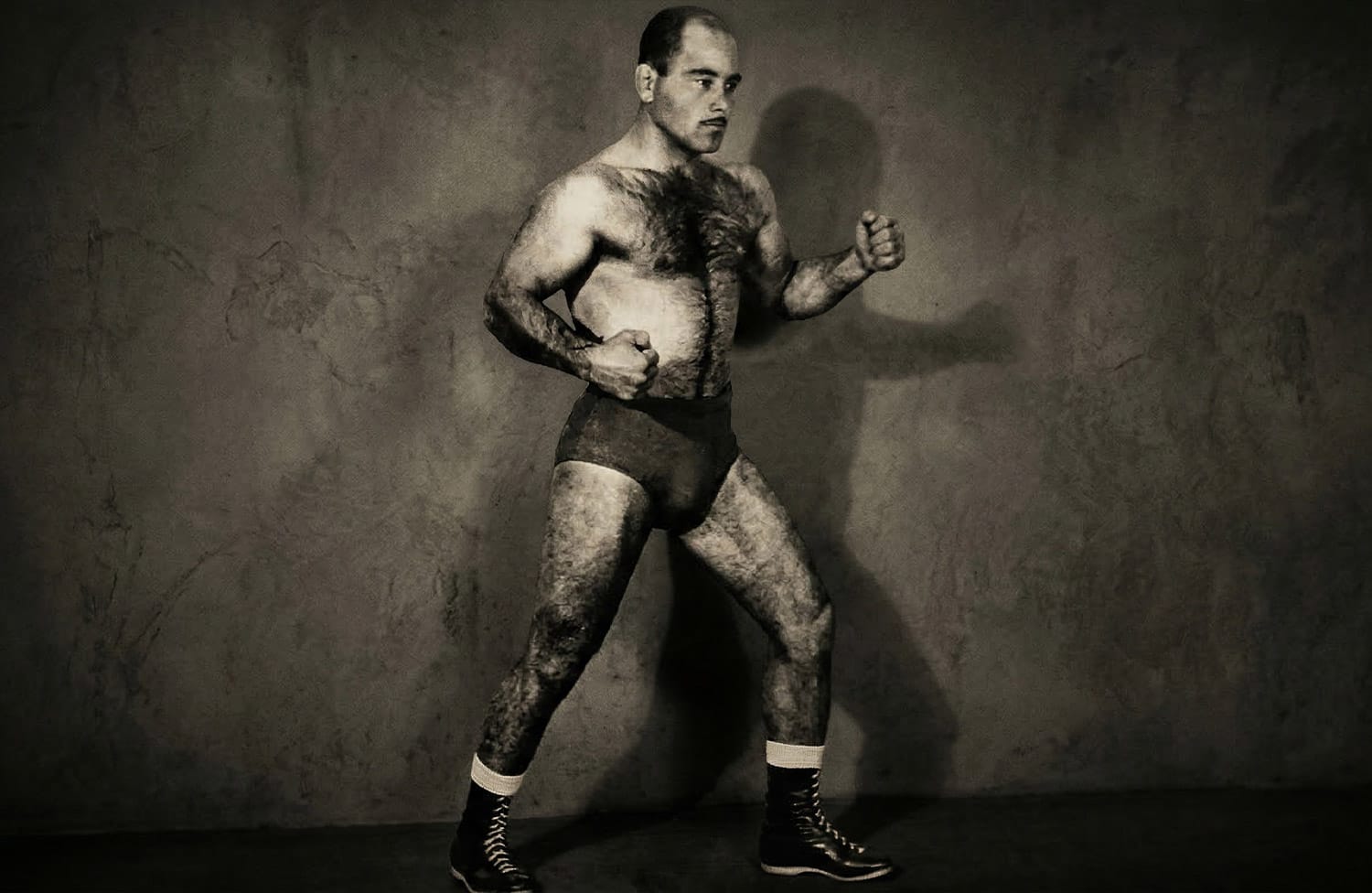
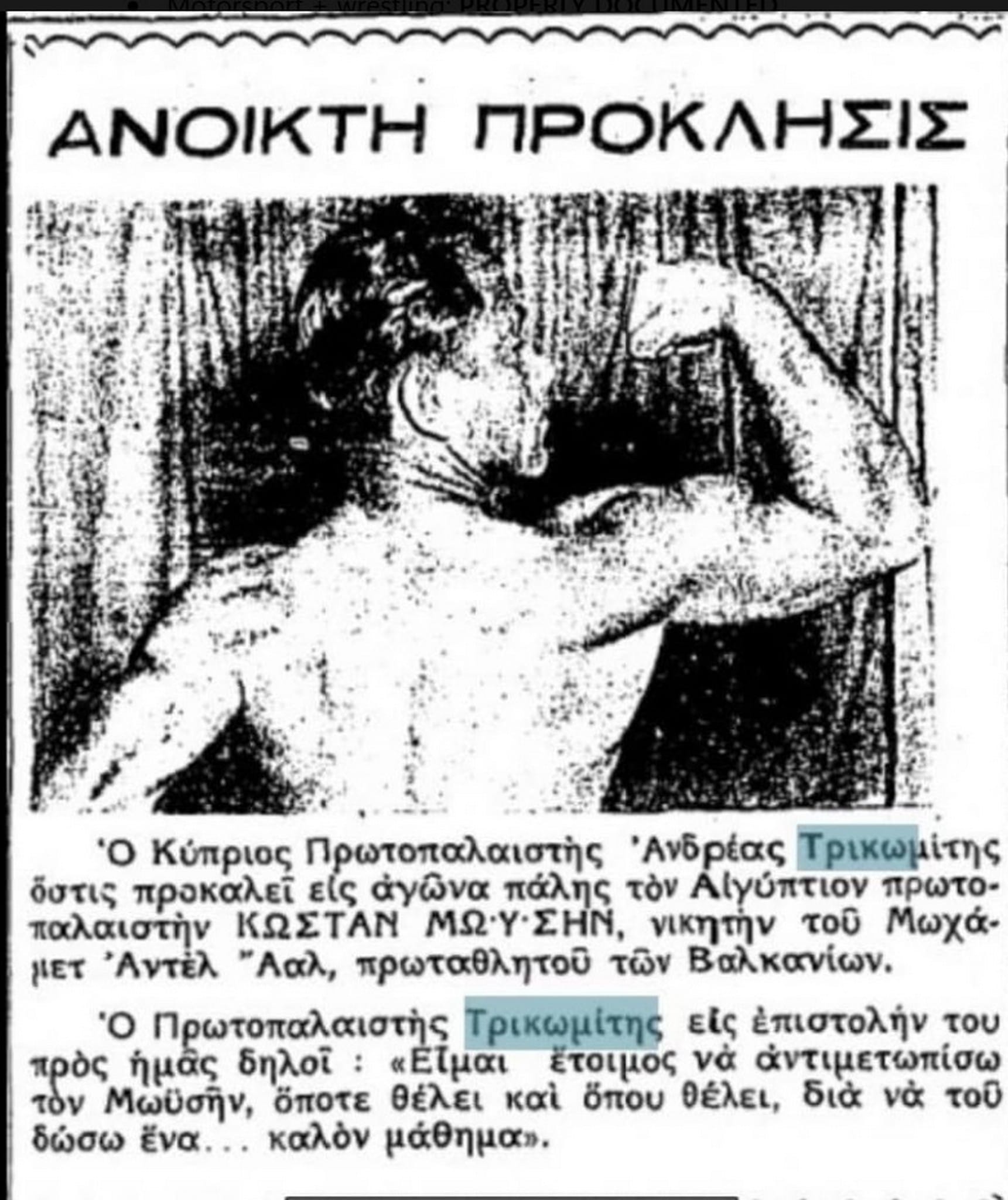
In sport, he became a distinguished and undefeated Greco-Roman wrestling champion, earning the titles of Champion of Cyprus, the Middle East, and the Balkans. He trained relentlessly, including in a private wrestling arena built in the courtyard of his home in Varosha, where he practiced alongside his brother under the guidance of the renowned wrestler Theofilos Toumazos. His final recorded wrestling match took place in Famagusta on 28 June 1964, at the age of 38, where he defeated an Egyptian Balkan champion, marking the end of a dominant competitive era.
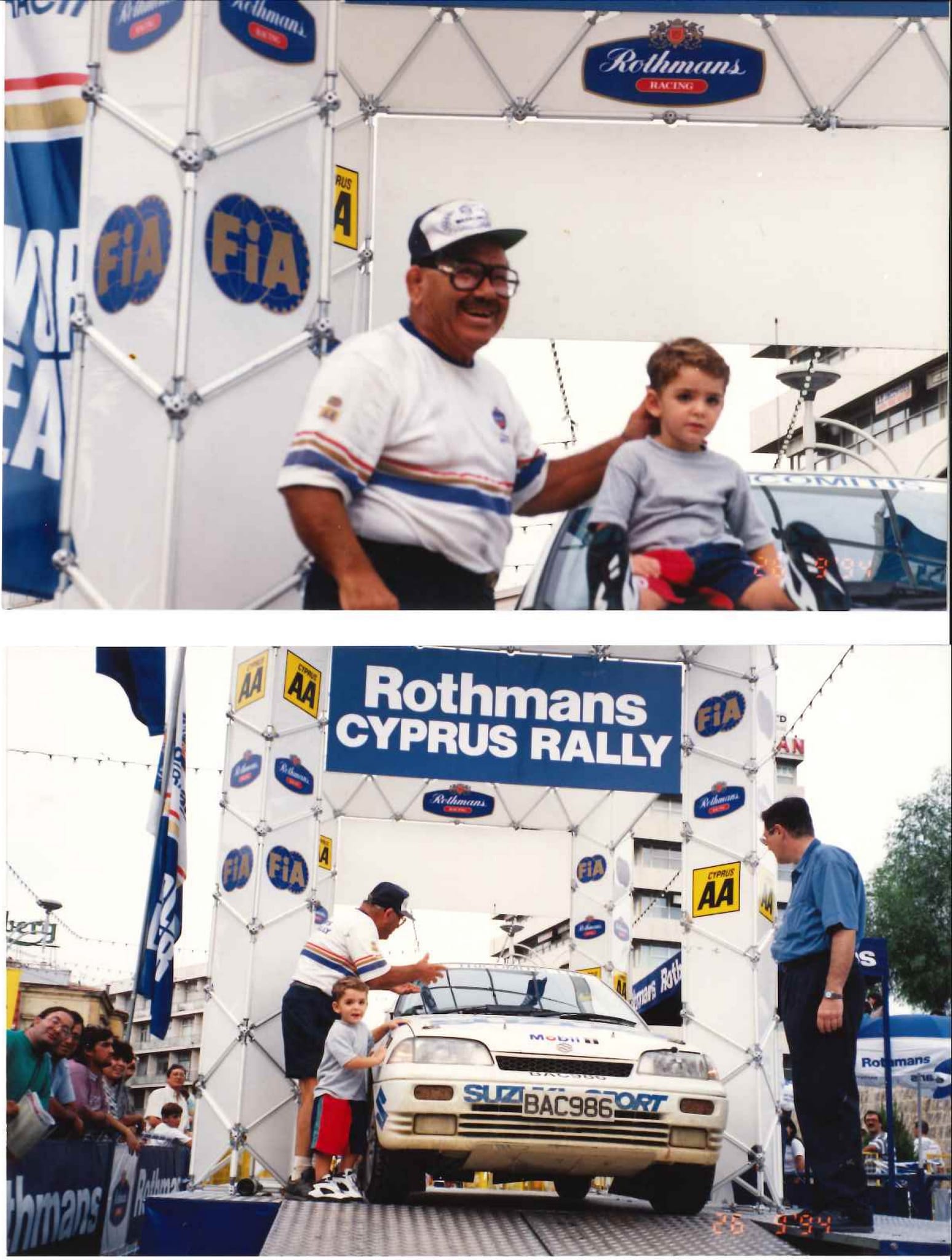
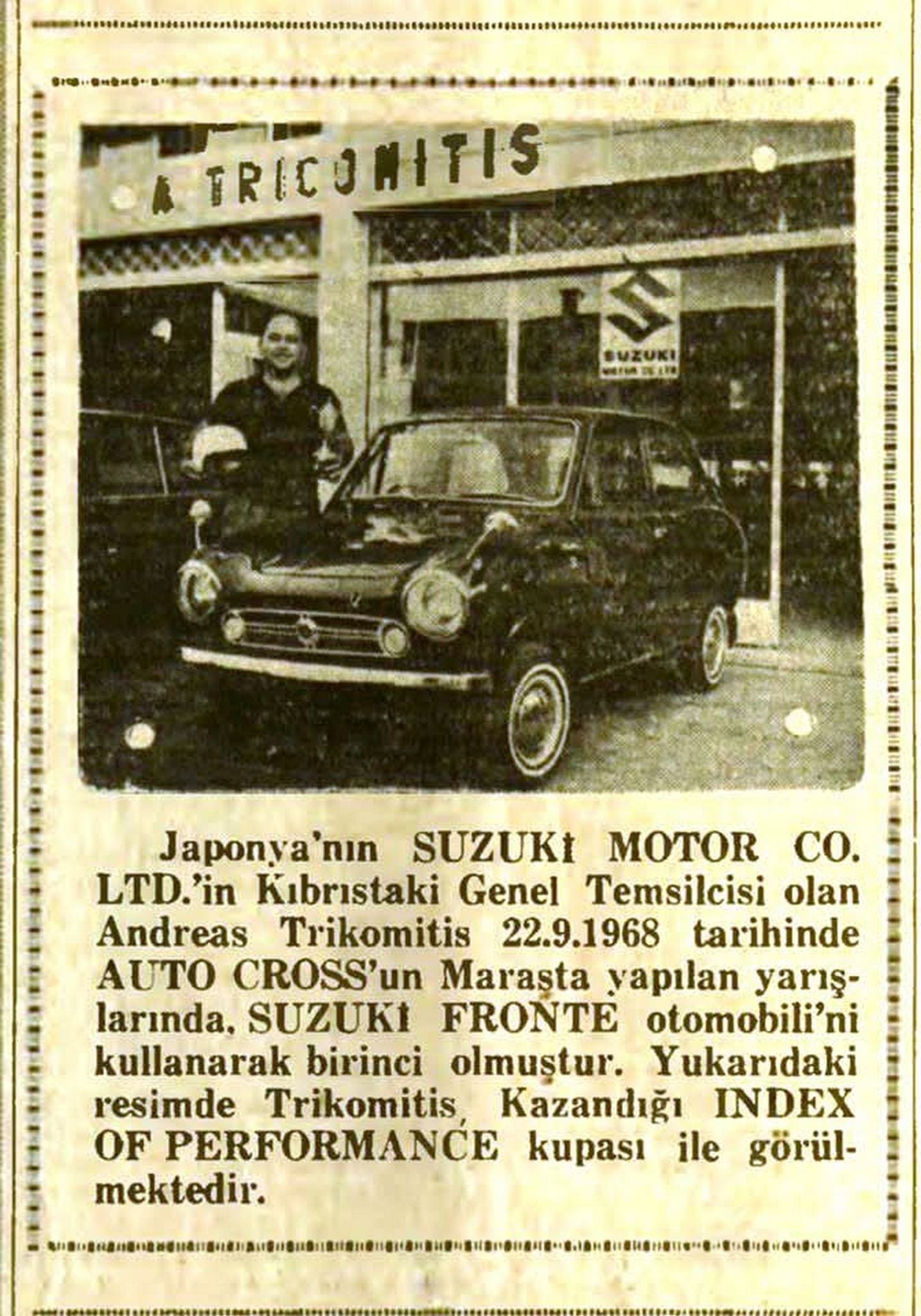
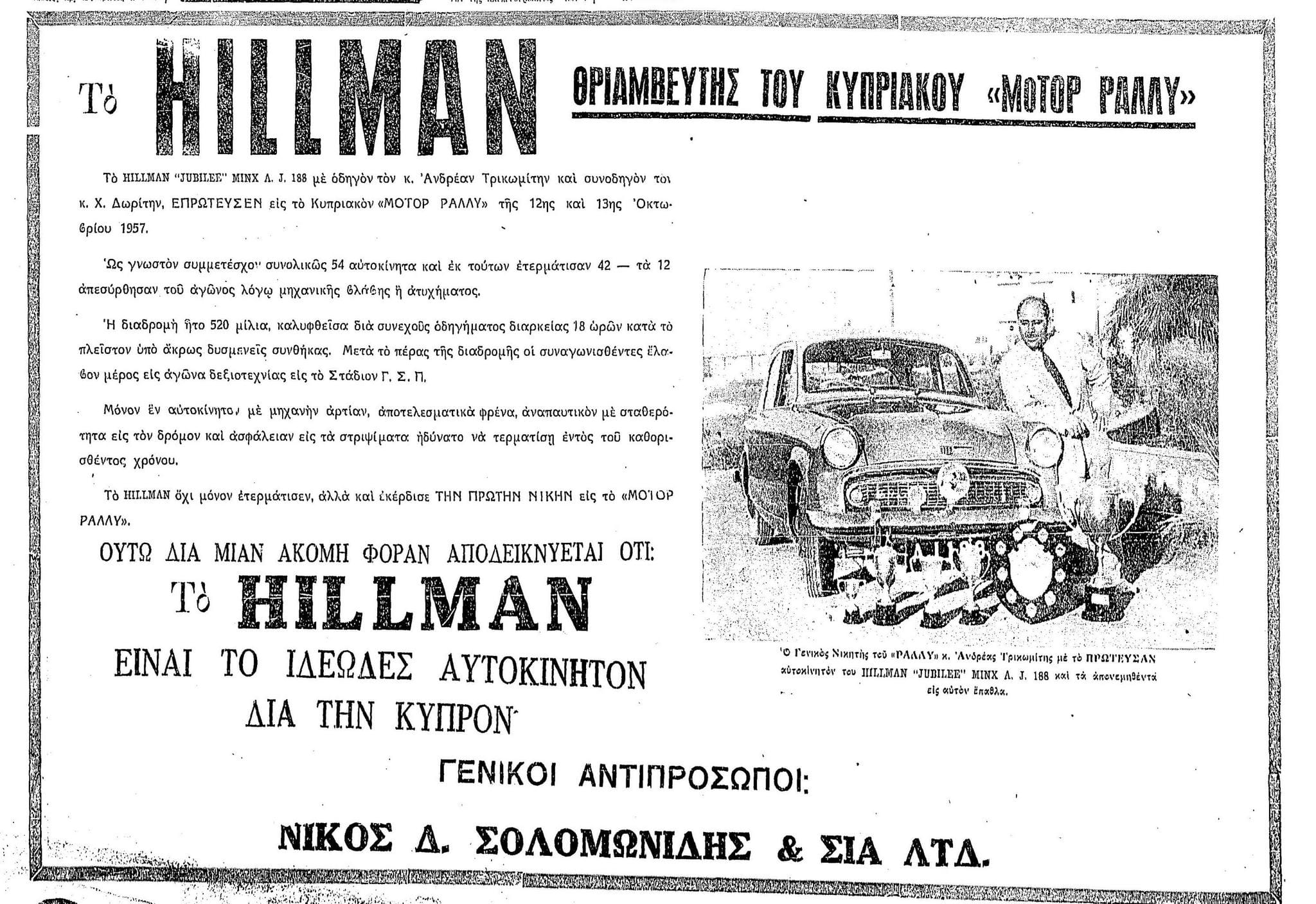
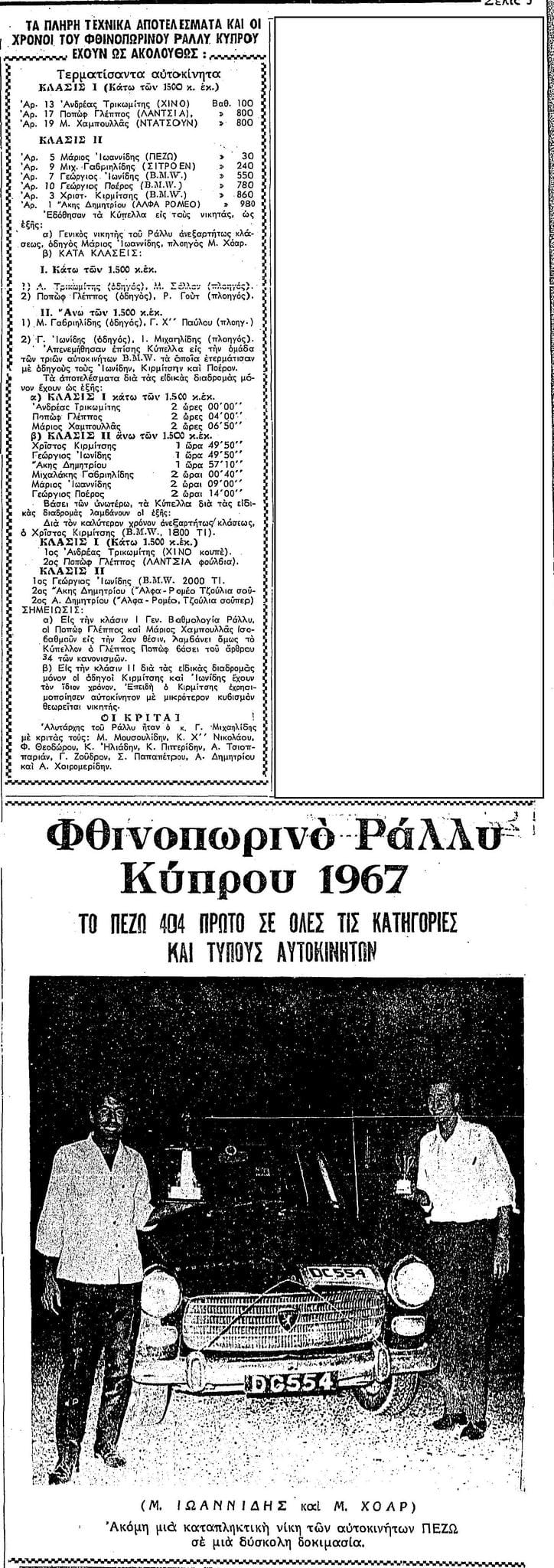
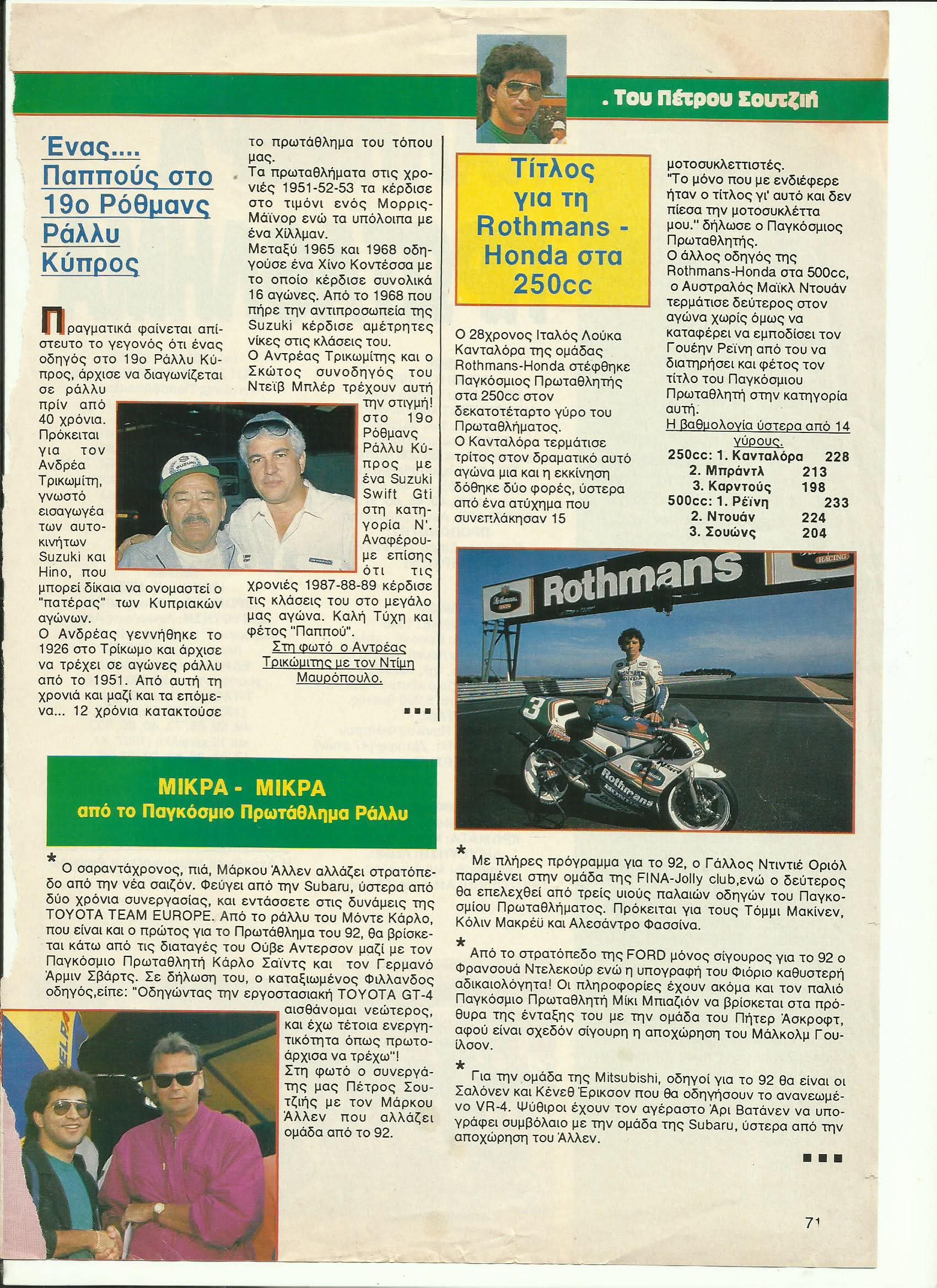
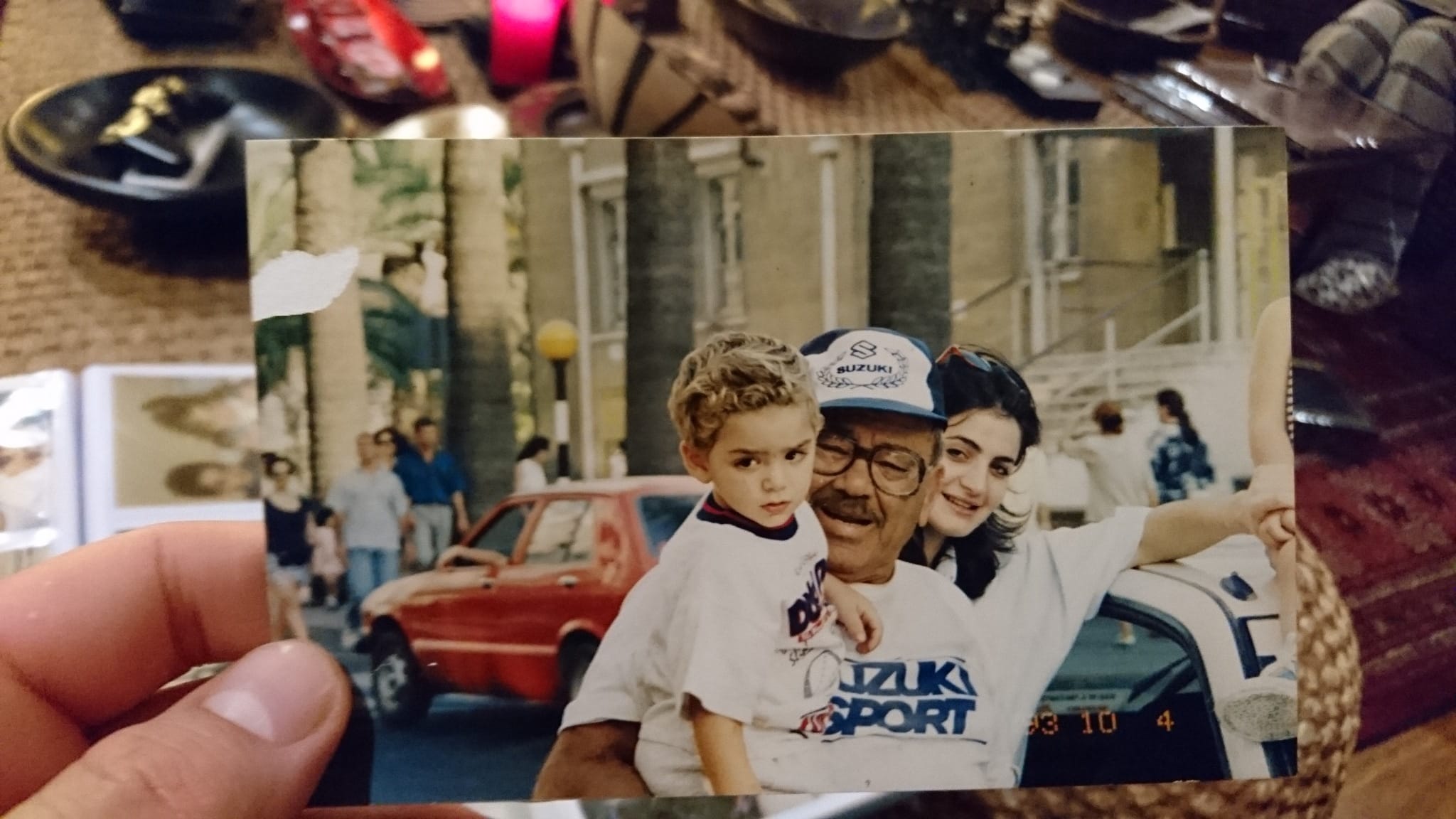
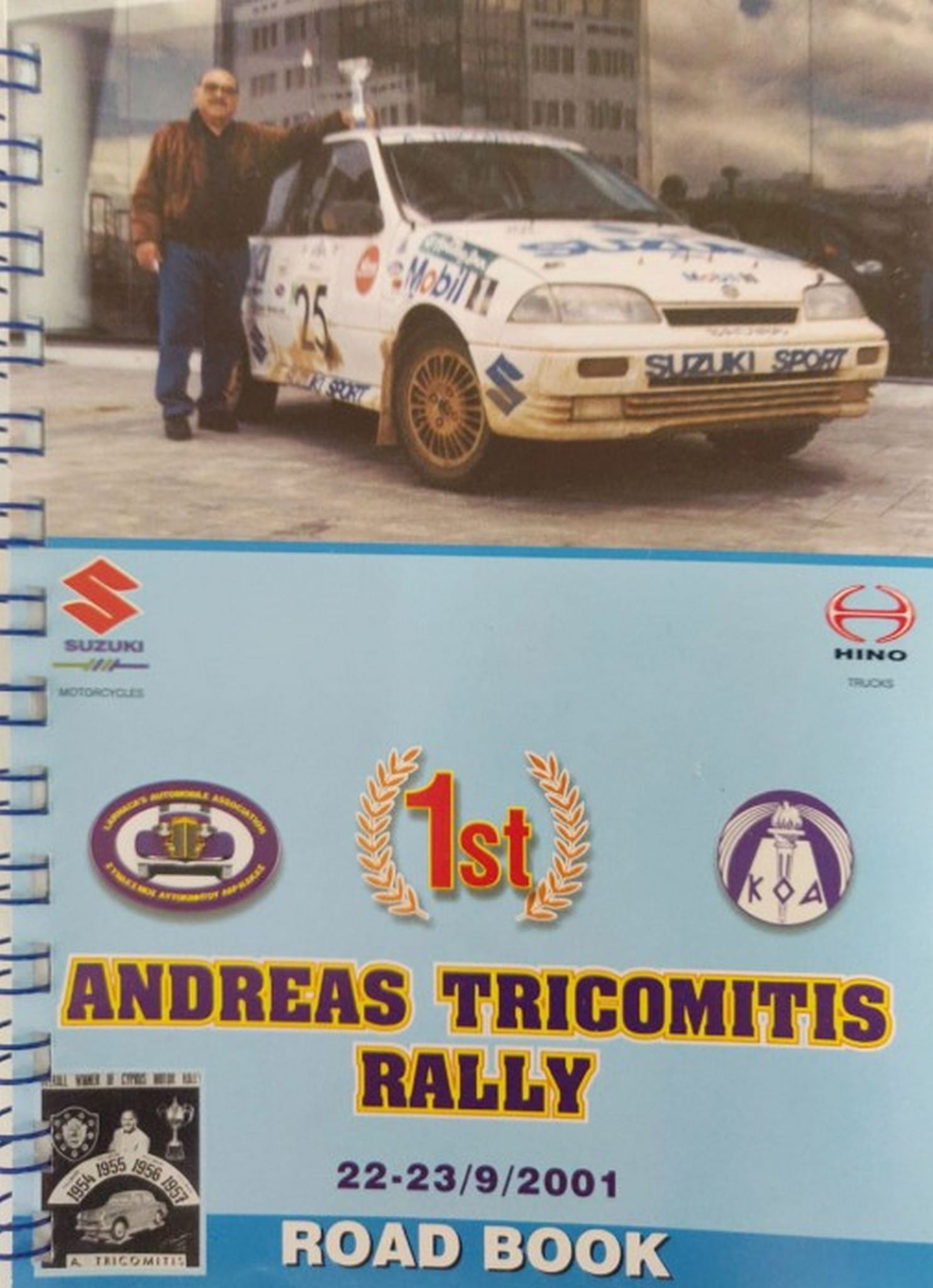
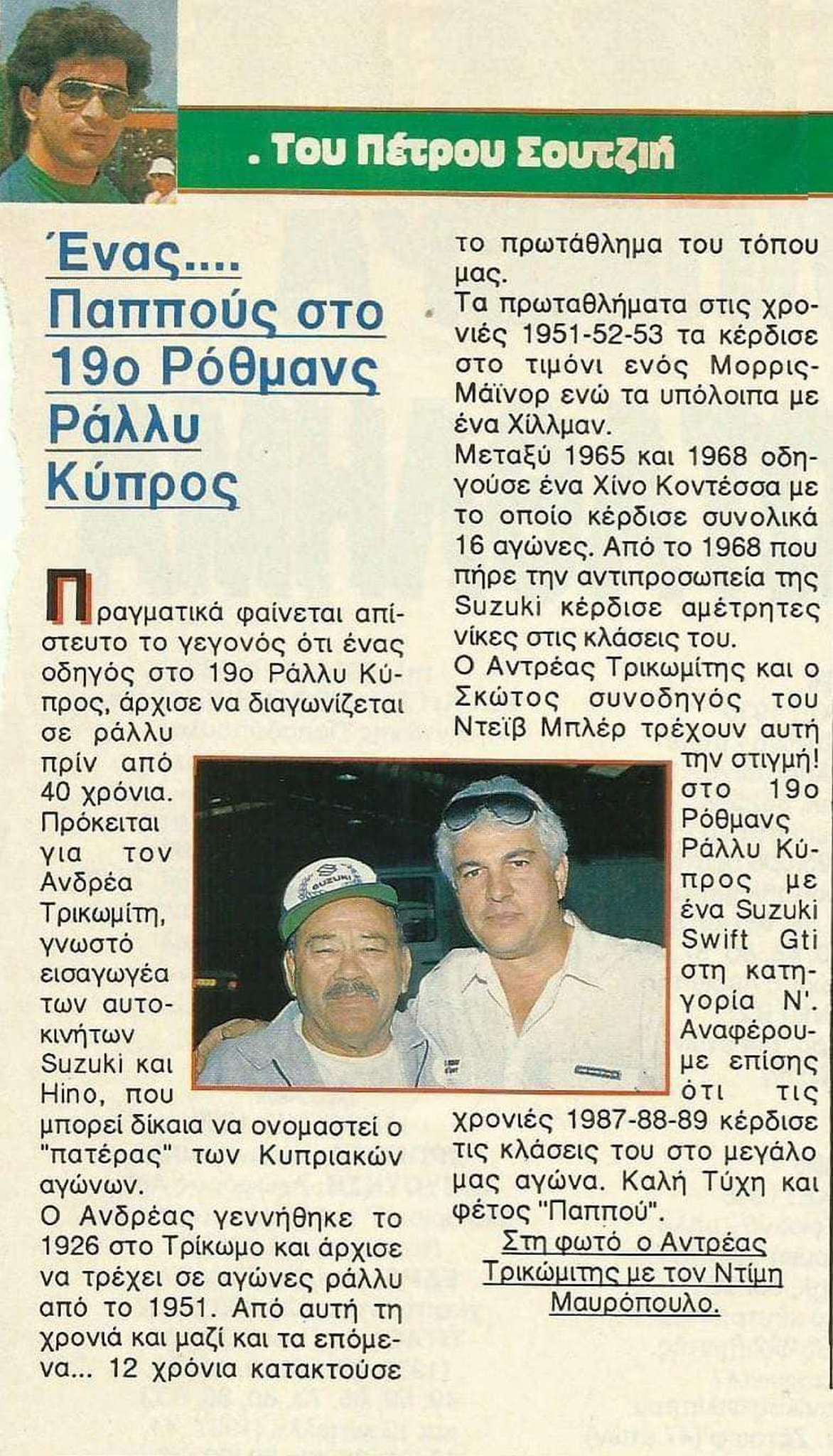
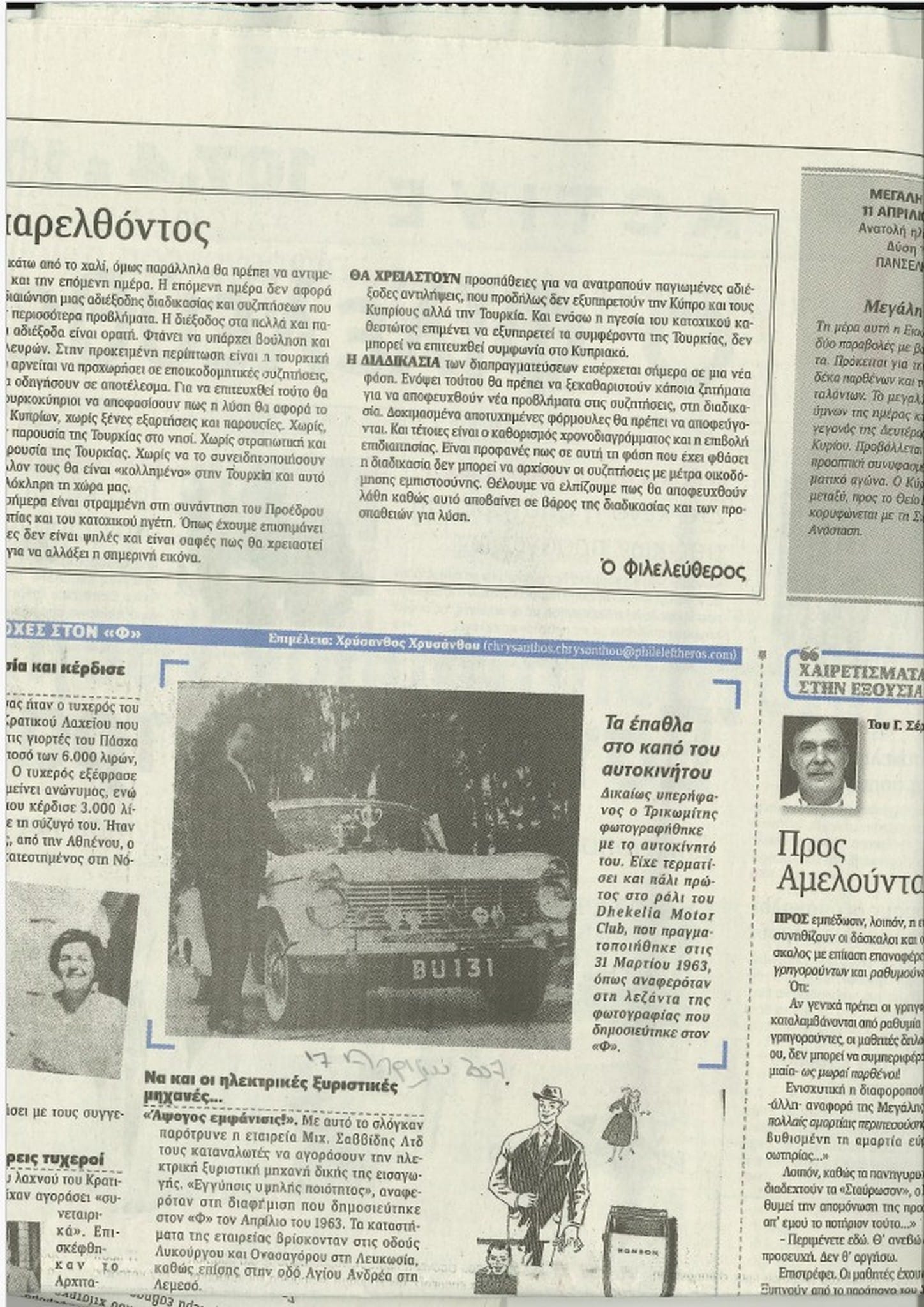
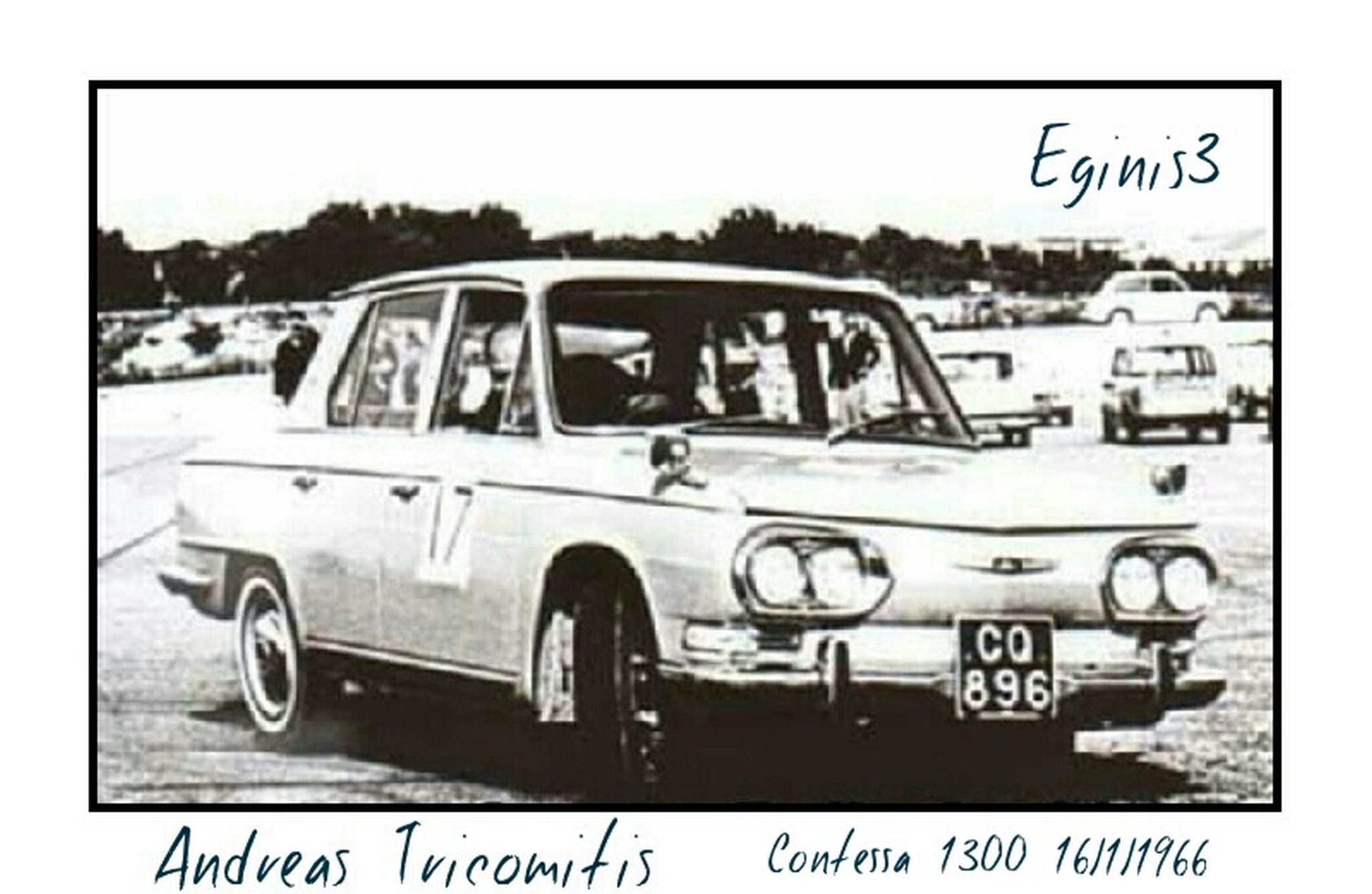
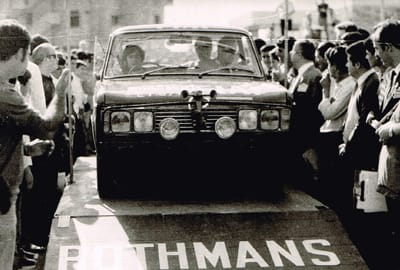
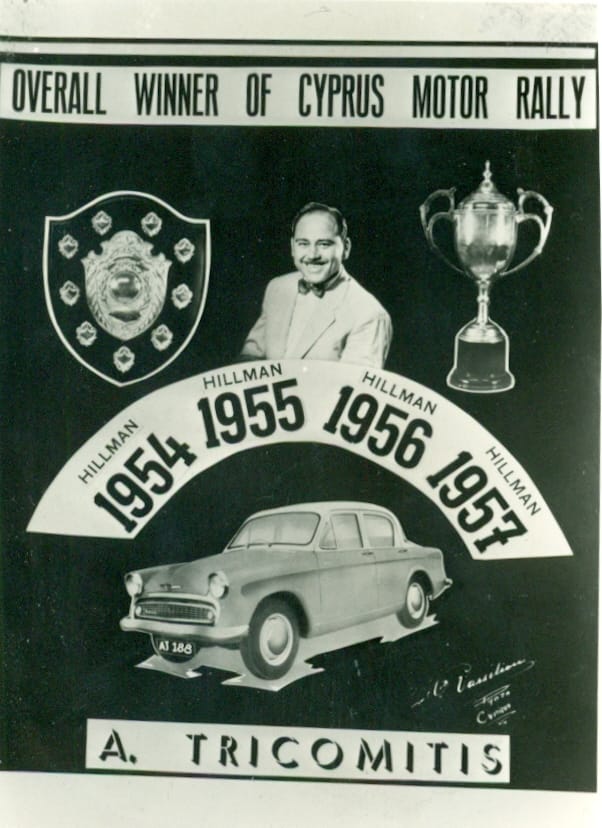
Beyond wrestling, Andreas Trikomitis became one of the founding figures of Cypriot motorsport. Beginning his rally career in 1951, he competed for more than four decades. During the 1950s, he achieved multiple championship victories, and between 1965 and 1968, he recorded sixteen race wins driving a Hillman and later a Morris Minor. From 1968 onward, after becoming an official representative of Suzuki, he dominated his class with numerous victories, competing with vehicles he personally imported. His success continued into the late 1980s, including class victories in the Cyprus Rally between 1987 and 1989, with participation in the 19th Cyprus Rally. Due to his longevity and impact, motorsport journalists of the era referred to him as the “father of Cypriot rally racing.”
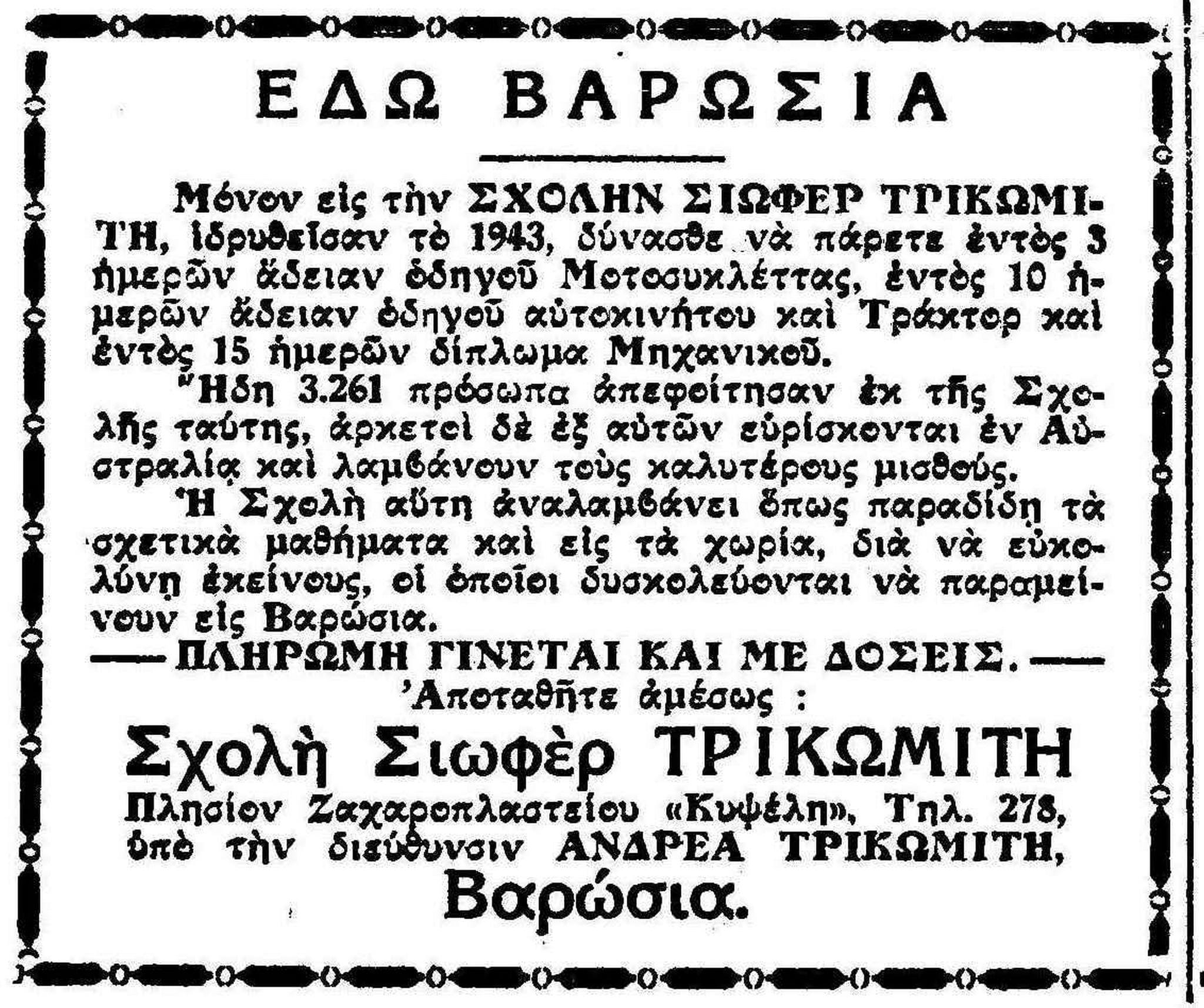
Parallel to his sporting success, Andreas Trikomitis built one of the most important private business legacies in Cyprus. In 1943, he founded A. Tricomitis Ltd. in Famagusta, establishing one of the earliest automotive import businesses on the island. By 1965, he became the official importer and distributor of HINO commercial vehicles and Suzuki automobiles in Cyprus.
A historic milestone of his career was his role in Suzuki’s early international expansion. According to documented press archives and historical records, A. Tricomitis Ltd. was among the very first private distributors at the time and one of the earliest to introduce Suzuki vehicles outside Japan. This was not a dealership agreement, but a pioneering distribution role that brought Suzuki automobiles into Cyprus and the wider Eastern Mediterranean market before Suzuki became an established global brand. This positioned Andreas Tricomitis not only as a national automotive leader, but also as an international industrial pioneer of the post-war era.
Even after the war, he rebuilt everything from zero. After losing it all, he managed to reconstruct the business stronger than before and expanded into real estate across Cyprus using the company’s success. He continued to grow the distribution network, securing additional international partnerships over the years, including Tohatsu outboards.
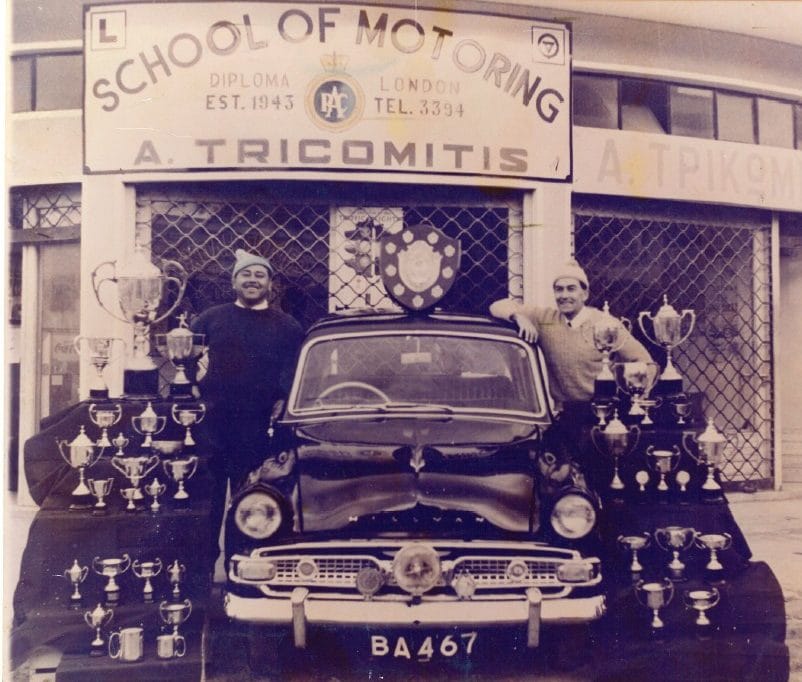
His business success expanded into real estate, commercial properties, and long-term investments in Famagusta both before 1974 and after the war. Later professional evaluations estimate that the total value of his pre-1974 assets, together with the businesses and properties he rebuilt and acquired afterward, equals seventy millions in today’s terms.
A key element of Andreas Trikomitis’ success was complete financial independence. Everything he owned was built without bank loans or debt. Growth came only through reinvested profits, careful management, and discipline. By the time of his passing on 15 November 2000, his entire portfolio was fully unencumbered.
After establishing his legacy, he chose to step away from the intensity of business life and dedicate more time to the sea. With his boat, he frequently travelled to the Greek islands, holding a special affection for Kastellorizo, where he enjoyed moments of peace and fishing.
The legacy formed the foundation upon which Andreas Tricomitis’ philosophy of discipline and independence was built. It carried forward into the next generation, where sport, structure, and leadership remained central to family life. Olympic-level athletes, national team leadership, and continued industrial activity advanced the Tricomitis name even further. Raised within this environment, Andreas inherited not symbolism, but a system where discipline was normal, preparation was expected, and excellence was earned through hard work.
Today, Andreas Tricomitis represents the modern continuation of this multi-generational legacy. His career in Olympic level judo and professional MMA is not an isolated success, but the natural evolution of a family tradition built on endurance, independence, and long-term contribution to sport, industry, and national identity.